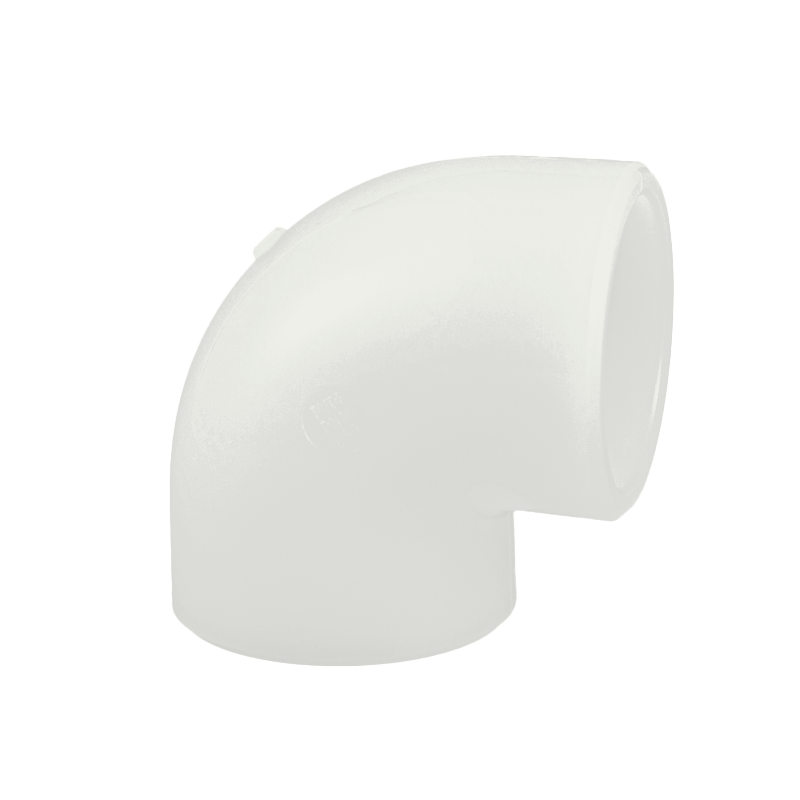
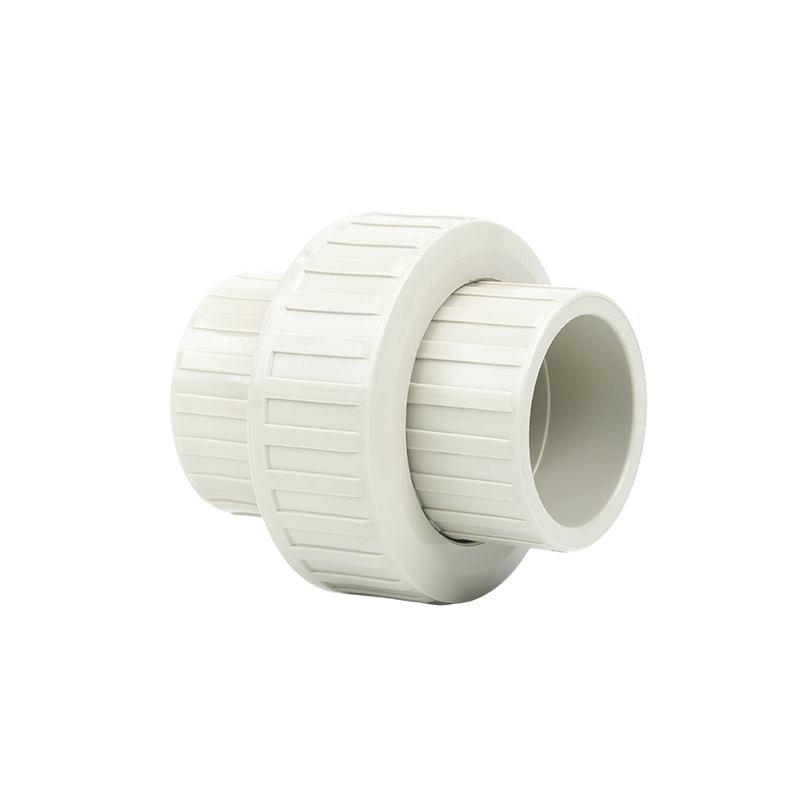
Preventive maintenance is the core strategy for extending fitting life and reducing system risk. Building water supply and drainage systems should undergo comprehensive inspection every 5 years, focusing on heat-fusion joints for leakage traces, adhesive joints for debonding or cracking, and flange gaskets for aging or hardening. Infrared thermal imaging cameras scan pipe surfaces during inspection; local temperature rises exceeding ambient temperature by 2°C may indicate internal leakage or abnormal flow. For buried pipes, CCTV internal inspection every 10 years assesses internal scaling, corrosion, and deformation conditions.
Industrial piping maintenance cycles are more intensive. Chemical pipelines require quarterly ultrasonic wall thickness testing using dual-crystal probes or TOFD technology, with measurement accuracy reaching ±0.1 mm. When wall thickness reduction exceeds 10% of original thickness, a replacement plan must be developed; when exceeding 15%, immediate shutdown and replacement are required. Gas pipelines require monthly leak detection using portable combustible gas detectors (sensitivity ≤10 ppm), inspecting along flanges, valves, and joints, with immediate marking and repair upon leakage detection.
Establishing complete fitting records is the foundation of maintenance management. Records should include: material certificates (with density, melt index, tensile strength data), pressure test reports (test pressure, holding time, leakage determination), installation records (installation date, technician, connection method, ambient temperature and humidity), and maintenance records (inspection date, detection method, problems found, treatment measures). Digital record systems can associate each fitting through QR codes or RFID tags, achieving full lifecycle traceability. Statistics show that systems with complete records experience fitting failure rates reduced by approximately 45% and maintenance costs reduced by about 30%.
Common fault diagnosis and treatment require systematic methods. Heat-fusion joint leakage is typically caused by insufficient temperature or insertion depth; treatment involves cutting the failed joint and re-performing heat-fusion connection per specifications. Adhesive joint debonding mostly results from surface contamination or expired adhesive; treatment requires thoroughly cleaning sockets and spigots, re-sanding, and applying fresh adhesive. Flange joint leakage commonly results from gasket compression set or bolt loosening; treatment involves replacing the gasket and re-tightening to target torque in diagonal sequence. Pipe vibration-induced joint fatigue cracking requires adding pipe clamps or vibration dampers, controlling vibration amplitude within 1% of pipe diameter.